





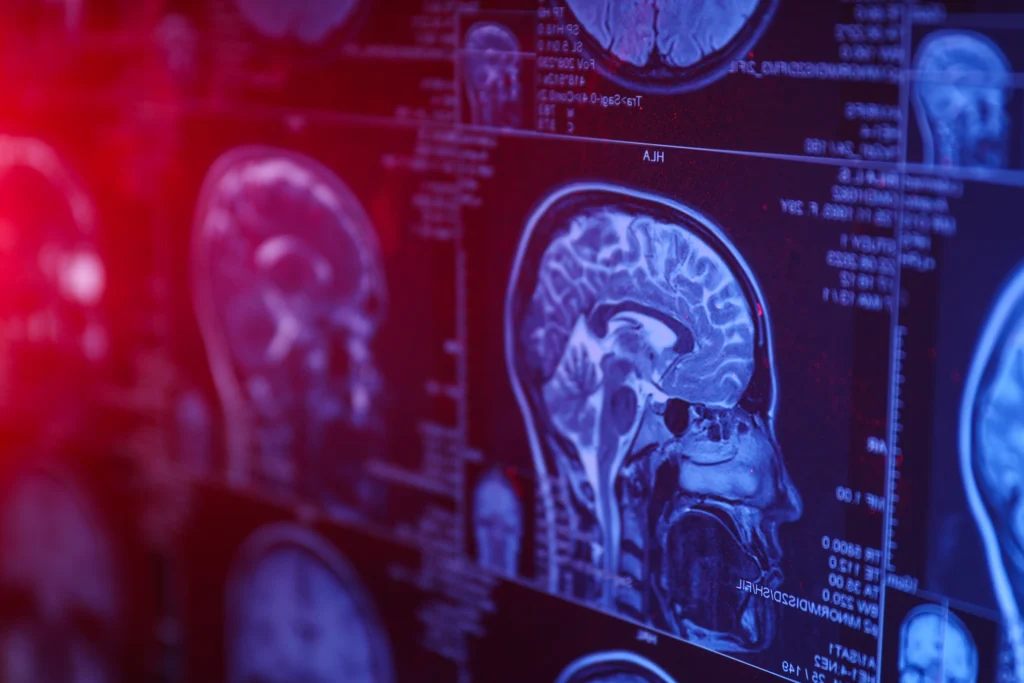

Modern medicine relies heavily on static imaging to detect disease. X-rays, MRIs, CT scans, and ultrasounds freeze the body in time, capturing structure but not behavior. This approach works well for advanced pathology, yet it often fails to detect early functional changes.
Why Early Disease Is a Functional Problem
Early disease rarely begins with structural damage. It starts with altered biomechanics, impaired neuromuscular control, or disrupted cellular signaling. These changes manifest as subtle motion irregularities.
For example, neurodegenerative disorders begin with microscopic tremors and timing delays. Cardiovascular disease starts with reduced vessel compliance and altered pulse wave velocity. Static scans miss these early warnings.
What Static Imaging Actually Measures
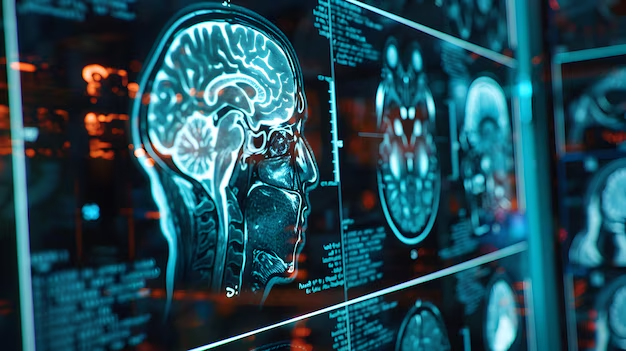
Static imaging captures anatomical snapshots. It shows bone density, organ size, tissue contrast, and gross abnormalities. These tools excel at identifying fractures, tumors, bleeding, and late-stage degeneration.
What static imaging cannot measure is dynamic performance. It does not reveal micro-vibrations, transient instability, or timing irregularities. These signals often precede visible pathology by years.
The Biological Importance of Motion
Human physiology is defined by motion. Heartbeats, breathing cycles, vocal fold vibration, gait patterns, and cellular oscillations all reflect health. When disease develops, these rhythms change.
Motion carries information about stiffness, elasticity, coordination, and control. Measuring these parameters provides insight into functional integrity. Ignoring motion means ignoring biology itself.
Limitations of Snapshot-Based Diagnostics
Static imaging assumes disease is visible and fixed. This assumption delays diagnosis until damage is significant. By the time abnormalities appear, intervention options are limited.
Additionally, static scans are often performed under artificial conditions. Patients lie still, suppressing natural movement. This removes the very signals clinicians need to observe.
What Are Motion-Based Medical Diagnostics
Motion-based medical diagnostics analyze movement, vibration, and temporal patterns. These systems capture data over time rather than freezing a single moment. They transform motion into quantifiable biomarkers.
Technologies include high-speed optical sensing, accelerometry, vibrometry, and AI-driven signal processing. Together, they reveal patterns invisible to conventional imaging.
How Motion-Based Diagnostics Detect Early Disease
Early dysfunction alters frequency, amplitude, and symmetry of motion. Motion-based systems detect these deviations with high sensitivity. Algorithms compare signals against healthy baselines.
For example, subtle vocal fold vibration changes can indicate early neurological disease. Micro-gait asymmetries can signal musculoskeletal or neurodegenerative disorders years before imaging findings.
The Role of AI and Signal Processing
Raw motion data is complex. Artificial intelligence extracts clinically meaningful features from noisy signals. Machine learning models identify patterns humans cannot perceive.
AI-enhanced frequency modeling enables early classification of disease states. This transforms motion into actionable clinical intelligence rather than raw data streams.
Why Static Imaging Misses Early Disease in Practice
Clinicians often rely on imaging because it is standardized and familiar. However, this reliance creates blind spots. Functional decline progresses silently while scans appear normal.
Patients are told nothing is wrong despite persistent symptoms. This gap erodes trust and delays care. Motion-based diagnostics fill this diagnostic void.
Clinical Use Cases Driving Adoption
Motion-based diagnostics are gaining traction in neurology, cardiology, pulmonology, and orthopedics. Early Parkinson’s detection, vocal pathology screening, and cardiac vibration analysis are leading examples.
These applications demonstrate improved sensitivity without invasive procedures. Non-contact measurement reduces patient burden and enables repeat monitoring.
Advantages Over Traditional Imaging
Motion-based systems are often faster, safer, and more cost-effective. They do not expose patients to radiation or contrast agents. Many operate in real time.
They also support longitudinal monitoring. Tracking functional changes over time enables personalized care pathways and earlier intervention.
Challenges and Barriers to Adoption
Despite benefits, adoption faces hurdles. Clinical validation, regulatory approval, and clinician education take time. Integrating new data streams into workflows remains challenging.
However, these barriers mirror those faced by imaging technologies decades ago. The trajectory toward dynamic diagnostics is clear.
Regulatory Momentum and Industry Signals
Regulatory bodies are increasingly recognizing functional biomarkers. Pilot programs now evaluate digital motion markers alongside imaging endpoints. Investment trends show growing confidence in dynamic diagnostics, with startups partnering directly with hospitals. Academic research output has accelerated, validating reproducibility and clinical relevance. These signals indicate a structural shift, not a temporary trend. As reimbursement models evolve toward value-based care, tools that demonstrate early risk reduction will gain preference across health systems. Education initiatives will further accelerate clinician trust and standardized adoption worldwide globally soon.
Implications for Precision Medicine
Precision medicine depends on early, individualized data. Motion-based diagnostics provide continuous functional insight unique to each patient. This supports tailored prevention strategies.
By identifying dysfunction before damage, clinicians can intervene earlier. This shifts healthcare from reactive treatment to proactive optimization.
The Future of Diagnostic Medicine
The future favors systems that observe life in motion. Static imaging will remain valuable, but it will no longer stand alone. Hybrid diagnostic models are emerging.
As motion-based diagnostics mature, they will redefine screening, monitoring, and disease classification. The clinical lens is expanding from structure to function.
Key Differences Between Static and Motion-Based Diagnostics
- Static imaging shows anatomy at rest
- Motion diagnostics measure function over time
- Early disease alters motion first
- Dynamic data enables earlier action
Why This Shift Matters for Patients
Patients benefit from earlier answers and less invasive testing. Functional diagnostics validate symptoms that imaging cannot explain. This improves engagement and outcomes.
Empowered patients participate in monitoring their own health. Wearable and non-contact systems support this shift.
Conclusion: Embracing Motion as Medicine
Why Static Imaging Misses Early Disease: The Rise of Motion-Based Medical Diagnostics reflects a fundamental change in clinical thinking. Disease is dynamic, not static. Diagnostics must follow.
By embracing motion, medicine gains access to earlier, richer signals of dysfunction. This evolution will define the next era of precision healthcare.
Frequently Asked Questions
What is motion-based medical diagnostics?
Motion-based medical diagnostics analyze movement, vibration, and timing to assess functional health before structural damage occurs.
Why does static imaging miss early disease?
Static imaging captures anatomy at rest and cannot detect subtle functional changes that occur in early disease stages.
Is motion-based diagnostics clinically validated?
Many applications are supported by growing clinical evidence, particularly in neurology and cardiology, with ongoing validation studies.
Can motion-based diagnostics replace imaging?
They complement rather than replace imaging by providing functional insights alongside structural data.
Who benefits most from motion-based diagnostics?
Patients with unexplained symptoms, early-stage disease, or those seeking preventive care benefit most.